
Why Our Team Feels Compelled to Get Adobe Writer
At first, Adobe Reader was the quiet workhorse. Our team used it daily—for viewing, sharing, and annotating PDFs—with little friction. But as workflows evolved, so did expectations. When staff tried to edit, merge, or securely sign documents, they ran into the same gated message: “Upgrade to Adobe Acrobat.”
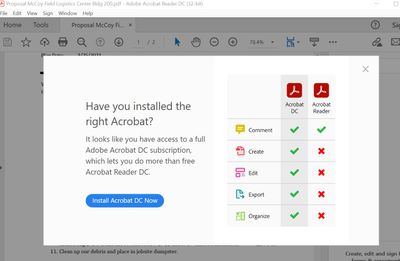
This wasn’t a glitch or poor design. It was Adobe’s psychological architecture at work.
Built-in Behavioral Cues
- Habitual Association: Reader became the default PDF tool—so deeply embedded that switching felt unnatural.
- Micro-Interruptions: The blocked features didn’t just hinder work; they sparked a sense of missing out.
- Status Cues: Acrobat was framed not just as a utility but as a badge of professionalism—suggesting that serious work demands serious tools.
As this cycle repeated, requests for Adobe Writer intensified. These weren’t mere convenience asks—they were attempts to regain efficiency, reduce daily friction, and align with an internalized idea of what “professional tooling” looks like.
In Context of Workplace Expectations
The pressure wasn’t just functional—it was cultural. In client-facing environments or regulatory workflows, staff interpreted access to Acrobat as permission to perform at full capacity. The lack of it subtly signaled insufficiency, fostering a quiet sense of inadequacy.

Underlying Sentiment
Our team began craving more than just editing capability—they sought affirmation, legitimacy, and fluency in the tools that appeared to set the standard.
The Takeaway:
Adobe didn’t just market a product—they embedded a narrative of inadequacy and aspiration into daily workflows. Our staff isn’t just reacting to features—they’re reacting to a story Adobe told them every time they opened a PDF.